

The State Administration for Market Regulation held a press conference on enterprise standardization construction and policy interpretation of the "Management Measures for Gradient Cultivation of Standard Innovative Enterprises (Trial)"
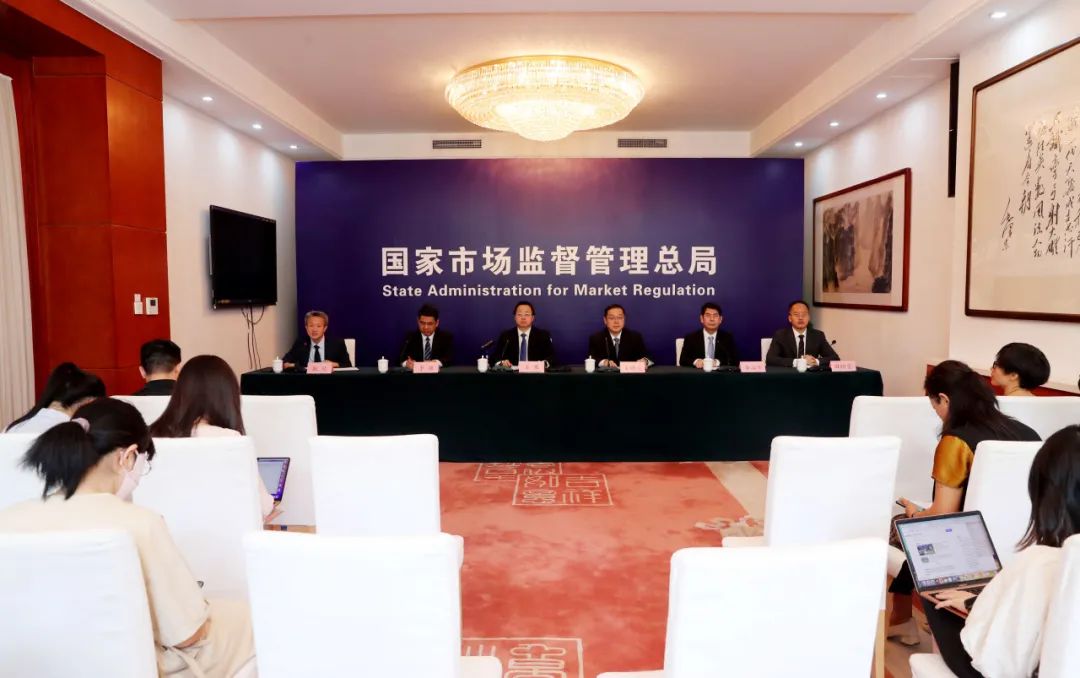
On July 11th, the State Administration for Market Regulation held a press conference on enterprise standardization construction and policy interpretation of the "Management Measures for Gradient Cultivation of Standard Innovative Enterprises (Trial)". The following is a transcript of the press conference:
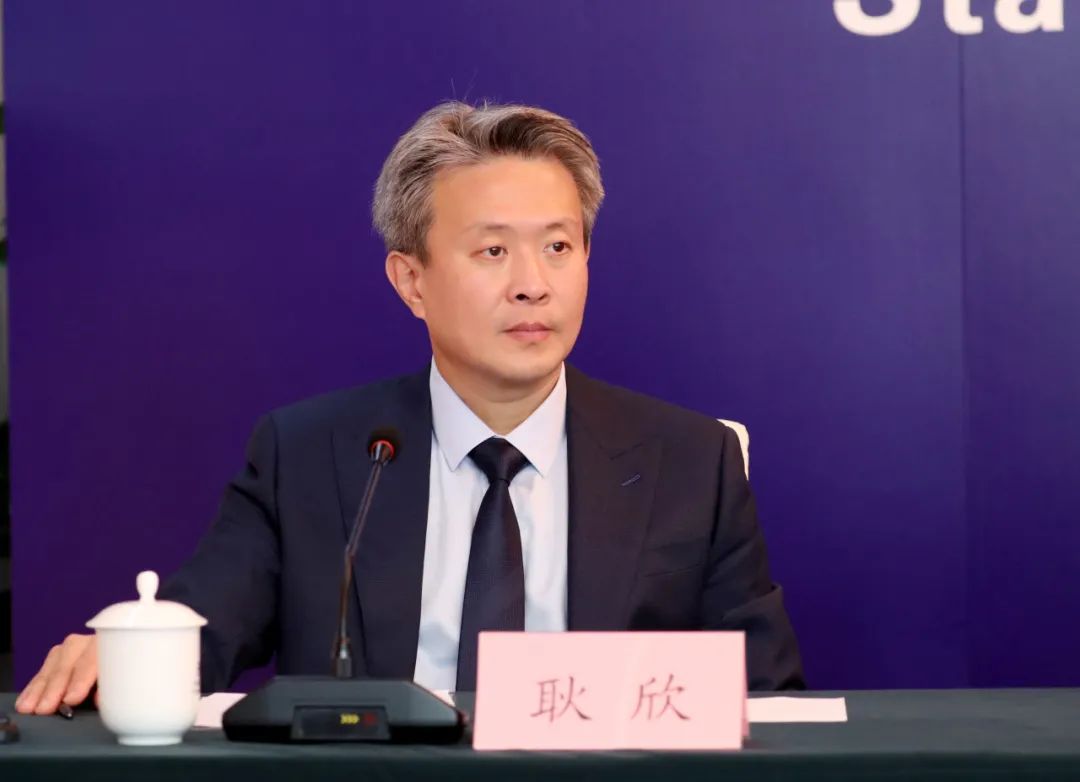
Geng Xin, Deputy Director of the News and Propaganda Department of the State Administration for Market Regulation: Hello everyone! Welcome to the special press conference of the State Administration for Market Regulation.
The National Standardization Development Outline proposes to establish a standard innovation oriented enterprise system and encourage enterprises to build a technology, patent, and standard linkage innovation system. Recently, the General Administration of Industry and Commerce issued the "Management Measures for Gradient Cultivation of Standard Innovative Enterprises (Trial)", further stimulating the innovative vitality of enterprises in the interactive development of standards, technology, services, and management.
In order to promote and interpret the "Measures" and help enterprises actively participate in standard innovation, we have invited Mr. Xiao Han, Director of the Standard Innovation Department of the State Administration for Market Regulation, Mr. Wang Xiaoliang, Deputy Director of the Science and Technology Innovation Bureau of the State owned Assets Supervision and Administration Commission of the State Council, Mr. Li Qiang, Deputy Director of the Legal Services Department of the All China Federation of Industry and Commerce, Mr. Li Zhiping, Vice President of the China Institute of Standardization, and Mr. Tian Zhaoying, Deputy Director of the National Organization Unified Social Credit Code Data Service Center, to introduce relevant information and answer questions of interest.
Firstly, please introduce the relevant situation to Mr. Xiao Han, Director of the Standard Innovation Department of the General Administration.
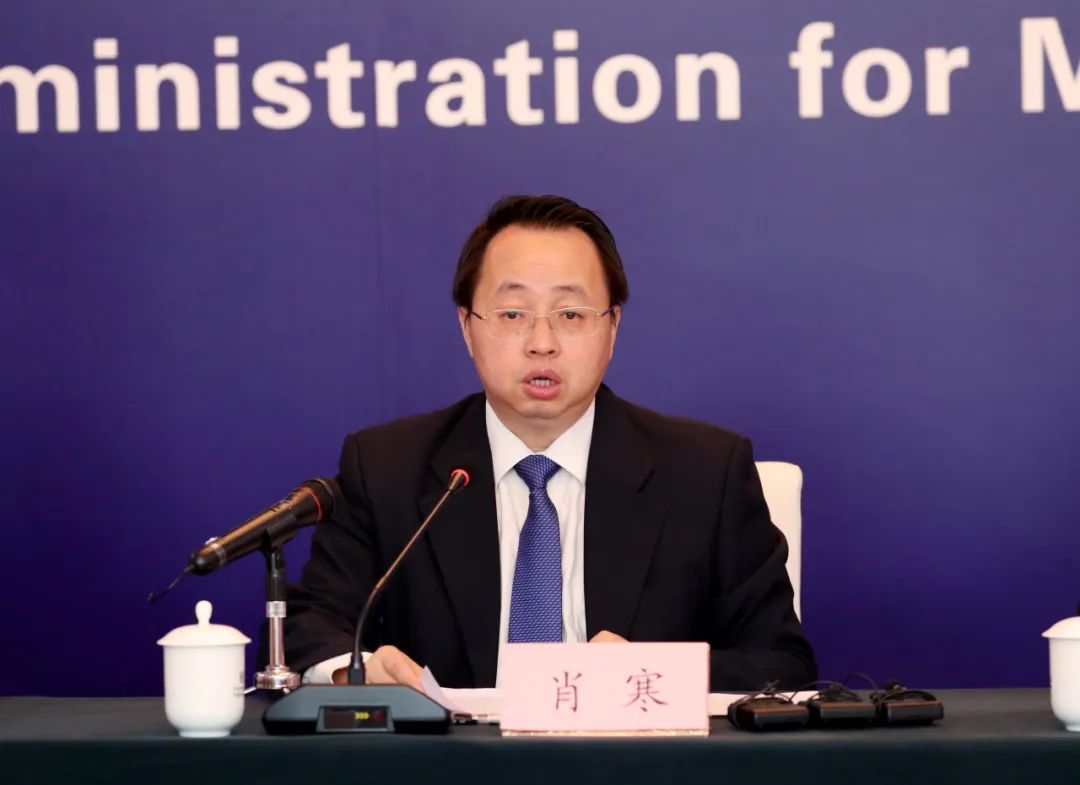
Xiao Han, Director of the Standard Innovation Department of the State Administration for Market Regulation: Thank you, host! Hello everyone, media friends!
Enterprises are the main body of market activities and the source of vitality for economic and social development, the main force of technological innovation, and an important guarantee for improving people's livelihoods. Enterprise standardization refers to the process in which an enterprise aims to improve economic efficiency by developing and applying standards and other activities to maintain a highly unified and efficient operation of the entire production, operation, and management process. It is the pillar and foundation of all standardization. The importance of enterprise standardization work is mainly reflected in the following aspects: firstly, standardizing enterprise management. Enterprises can strengthen internal management effectiveness and improve production and operation efficiency by carrying out standardization activities, improving management systems, perfecting their own standard system, clarifying benchmarks and basis for measuring performance. The second is to optimize resource allocation. By promoting standardization work, enterprises can improve resource utilization efficiency, enhance production coordination, achieve production scale, and increase their revenue and profit margins. The third is to improve product quality. By leveraging the advantages of standardization, strengthening product quality management, providing more high-quality products, meeting diversified consumer demands, establishing a good brand image, and providing support for unleashing new consumer momentum. The fourth is to promote technological innovation. Enterprises can use standardization methods to optimize technological innovation elements, stimulate technological innovation vitality, enhance technological innovation capabilities, promote product technology iteration and upgrading, and consolidate the core competitiveness of products. The fifth is to expand international cooperation. Through standard technology exchanges, enterprises can accelerate mutual integration, mutual promotion, and learning with international peers, and thus participate in international economic and technological cooperation on a larger scale, in a wider range of fields, and at a higher level.
The State Administration for Market Regulation continues to promote the reform of enterprise standardization management, encouraging enterprises to use high standards to support high-tech innovation and lead high-quality development. One is to strengthen top-level design and create a favorable policy environment for enterprise standardization. Establish a system of self declaration and public disclosure of enterprise standards, making standards a "hard commitment" to product quality, and enriching the credit foundation of the socialist market economy. We have issued the Guiding Opinions on Further Strengthening the Quality and Standardization Work of Central Enterprises and the Action Plan for Standardization to Promote High quality Development of Private Economy (2022-2023), which aim to lead the transformation of enterprise quality, efficiency, and motivation through standardization, enhance enterprise quality awareness and quality management capabilities, increase the implementation and application of standards, strengthen the service support of standardization work, broaden international exchanges and cooperation in standardization, and promote enterprises to accelerate their entry into the track of high-quality development. The second is to help improve the basic ability of enterprise standard innovation. Focusing on the "pain points" and "bottlenecks" of enterprises in standardization work, the State Administration for Market Regulation has organized local market supervision departments to vigorously carry out the construction of standardized public service platforms, and introduced various reward and subsidy measures to inject strong impetus into enterprise standard innovation, in response to the insufficient standardization technical capabilities and relative lack of infrastructure. The third is to encourage collaborative innovation between technology and standards. Give full play to the role of advantageous enterprises in the standardized technology system, encourage enterprises to strengthen the coordination and interaction between standardization and technological innovation, and build a technology, patent, and standard linkage innovation system. Support leading enterprises to establish standard cooperation mechanisms with scientific research institutions, small and medium-sized enterprises, etc. The fourth is to build a diversified, specialized, and market-oriented service system. The State Administration for Market Regulation focuses on cultivating and developing the standardization service industry, supporting standardization research institutions, professional standardization technical committees, and technical consulting institutions at all levels to provide standardization services. It provides guidance for enterprises to establish standard systems, prepare technical standards, conduct technical indicator comparisons, conduct standard compliance testing, provide standard implementation consulting, evaluate the effectiveness of standard implementation, and provide standardization training, continuously assisting enterprises in high-quality development.
Under the collaborative promotion of various industry sectors, China's enterprise standardization work has made significant progress. As of the end of May 2023, a total of 420000 enterprises have publicly declared 2.8 million standards through the Enterprise Standard Information Public Service Platform, covering 4.68 million products. The incentive system for positive improvement in product quality through standards is becoming increasingly perfect. In terms of leading the way in enterprise standards, as of the end of 2022, a total of 2856 enterprise standards from 1679 companies have become "leaders", setting industry quality benchmarks and leading high-quality development with high standards. In addition, Chinese enterprises actively participate in international standardization activities, strengthening their connection with international economic and trade activities through standards, and driving sustained growth in product exports. Taking 2022 as an example, China's annual export volume increased by 10.5% compared to the previous year.
The National Standardization Development Outline proposes the establishment of a standardized innovative enterprise system. By cultivating a group of leading and innovative industry benchmark enterprises guided by standards, enhancing their standardization awareness, improving their standardization capabilities, and unblocking the development path of "research and development of scientific and technological innovation achievements - improvement of standard innovation capabilities - promotion of high-tech industries - exploration of international innovation perspectives", we strive to become the "leaders" of enterprise standards and "setters" of international standards, improve the stability of industrial and supply chains, and promote high-quality development of the industry.
So, what is a standard innovative enterprise? Standard innovative enterprises refer to enterprises that use standardization principles and methods, with the core competitiveness of technological innovation and standardization interactive integration, and have typical characteristics such as promoting technological innovation, management innovation, service innovation through the development and implementation of advanced standards, supporting their own high-quality development, and even leading the high-quality development of the industry.
Establishing a standardized innovative enterprise system is conducive to deepening the innovation of standardized operation mechanisms and encouraging enterprises to build a technology, patent, and standard linkage innovation system. One is to strengthen the position of enterprises as the main body of innovation, drive various innovation factors to gather in enterprises through standard innovation, and promote the internal function and operation mode of enterprises to continuously pursue standards and technological innovation. Secondly, it can encourage enterprises to timely integrate advanced and applicable technological innovation achievements into standards, promote the effective supply of advanced standards as a driving factor for the transfer and transformation of enterprise technological innovation achievements and the improvement of management innovation level, and stimulate the strong innovation vitality of enterprises in the interaction support of standards, technology, services, and management. The third is to use standard innovation to promote the marketization, industrialization, and internationalization of innovative technologies and products, enhance the driving force and liquidity of technological innovation, and benefit the entire industrial chain.
Next, the State Administration for Market Regulation will organize and promote the implementation of the Measures. One is to build a unified standard innovative enterprise information platform, improve the level of informatization and cultivate work efficiency, reduce the burden on enterprises, strengthen market supervision and social participation, and ensure the authority and fairness of evaluation; Secondly, we will strengthen guidance for local market supervision departments to carry out gradient cultivation of standard innovative enterprises, extensively and deeply carry out comprehensive and multi form publicity and training, guide enterprises to take the path of coordinated development of "standard innovation", and strive to cultivate a number of standard innovative enterprises within the year; Thirdly, in conjunction with relevant departments, we will study and establish incentive mechanisms for standard innovative enterprises, forming an operating environment for the gradient cultivation system of standard innovative enterprises that combines "government guidance and market orientation", and enhancing the vitality of the system.
The construction of a standardized and innovative enterprise system will deeply implement the spirit of the 20th National Congress of the Communist Party of China, fully implement the requirements of the National Standardization Development Outline, adhere to the core position of innovation in China's modernization construction, fully mobilize the enthusiasm and creativity of enterprises to implement innovation driven development strategies and standardization strategies, encourage enterprises to continuously explore new methods and models for implementing standardization, and strive to create a new situation in China's enterprise standardization work. Thank you all!
Geng Xin, Deputy Director of the News and Propaganda Department of the State Administration for Market Regulation: Thank you, Mr. Xiao Han. Next, let's move on to the question and answer session. Before asking, please inform us of your news organization.
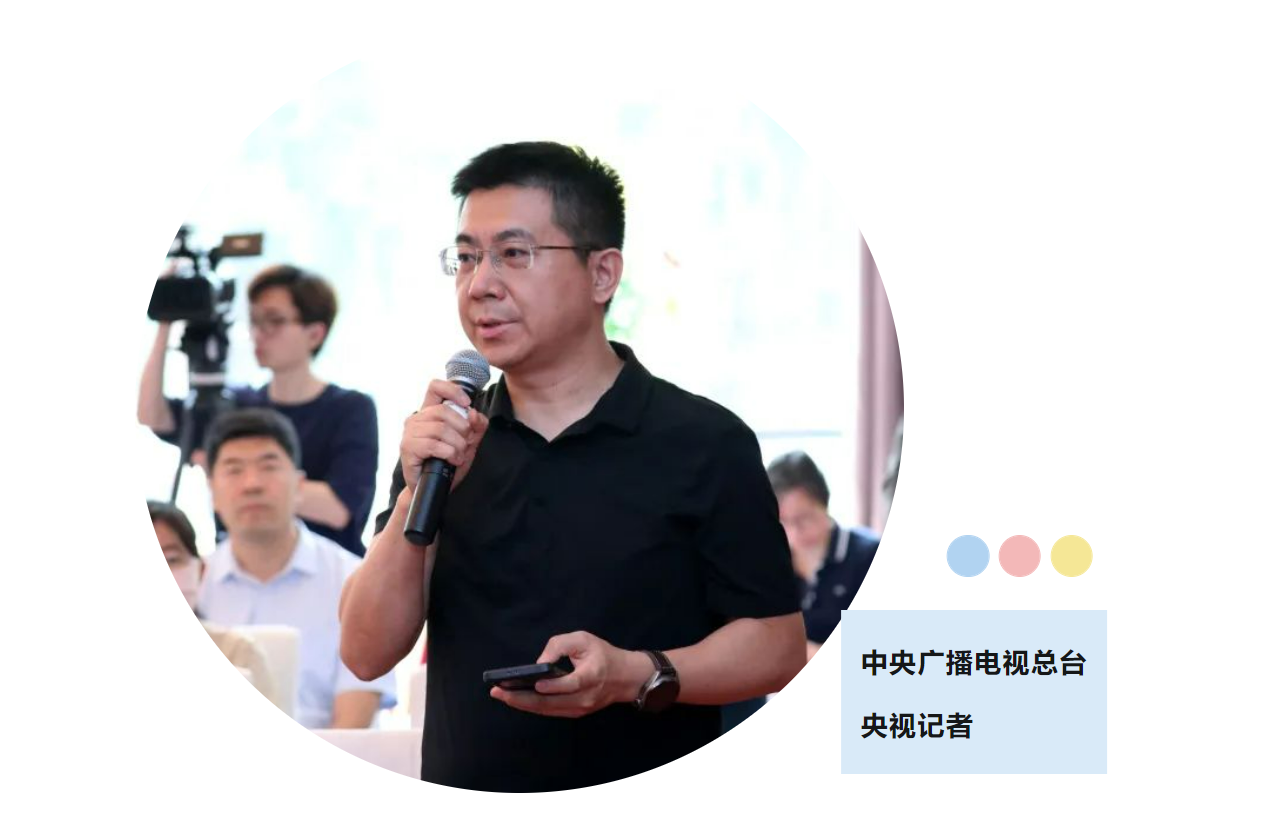
What is the biggest difference between the existing systems of standard innovative enterprises and technology innovative enterprises, what are their core connotations, how to establish a gradient cultivation management system, how to set up an evaluation index system, and what supporting measures will the government take in the future?
Xiao Han, Director of the Standard Innovation Department of the State Administration for Market Regulation: The "National Standardization Development Outline" issued by the Central Committee of the Communist Party of China and the State Council proposes to establish a standard innovation enterprise system and encourage enterprises to build a technology, patent, and standard linkage innovation system. In order to thoroughly implement the deployment requirements of the Outline, focus on improving the ability of standard innovation, drive the improvement of technical standard level through technological innovation, and lead technological progress through standard innovation, strengthen departmental and local coordination, and jointly cultivate a group of leading and innovative industry benchmark enterprises that lead high-quality development with standards, the State Administration for Market Regulation has formulated the "Management Measures for Gradient Cultivation of Standard Innovative Enterprises (Trial)" to promote the orderly and standardized development of the cultivation and management of standard innovative enterprises.
In order to establish a gradient cultivation system for standard innovative enterprises and achieve gradual cultivation of enterprises, the Measures divide standard innovative enterprises into three progressive levels: standard innovative enterprises (primary), standard innovative enterprises (intermediate), and standard innovative enterprises (advanced). According to different gradients, the management methods of "self declaration+public announcement" and "voluntary application+recognition" are adopted respectively, focusing on measuring the standard innovation capabilities of enterprises in construction, application, integration, and efficiency, reflecting more the requirements of "quality" rather than "quantity", highlighting the characteristics of enterprise innovation technology transformation into standards, implementation of advanced standards, achievement of international standard breakthroughs, and even leading industrial internationalization. The gradient cultivation system should not only have clear identification, but also be easy for the public to perceive and recognize, thereby enhancing the sense of gain and identification of the operating entities.
The gradient cultivation of standard innovative enterprises involves the first, second, and third industries. Faced with various types of enterprises such as large, medium, and small, the "Measures" adhere to the principle of national unified management and hierarchical classification guidance, and construct a cultivation and evaluation recognition work system. Among them, the State Administration for Market Regulation is responsible for macro guidance, overall coordination, and the release of evaluation and recognition index systems for the gradient cultivation of standard innovative enterprises. It is also responsible for the recognition of standard innovative enterprises (advanced), ensuring the unity of the standard innovative enterprise system in organizational management, application and recommendation, dynamic adjustment, cultivation and support, and precise service. The market supervision and management departments of each province, autonomous region, and municipality directly under the central government are responsible for carrying out gradient cultivation, guidance, and supervision of standard innovative enterprises in their respective regions. They organize the entry of standard innovative enterprises (primary) into the database, carry out the recognition of standard innovative enterprises (intermediate), and recommend standard innovative enterprises (advanced) to achieve policy linkage.
From the perspective of guiding and encouraging enterprises to create standard innovative enterprises, the evaluation and recognition index system of the supporting "Measures" not only considers the progressive nature of gradient cultivation, but also takes into account the characteristics and basic capabilities of enterprises of different scales and industries in standard innovation work. Firstly, considering the progressive nature of gradient cultivation, the evaluation and recognition indicators for the three levels of enterprises are adopted in a "4+3+2" manner. That is to say, the standard innovative enterprises (primary level) have four evaluation indicators, including the comprehensiveness of standardized management, the leadership of standard technology, the progressiveness of standard application, and the overall effectiveness of standards; On the basis of the recognition of standard innovative enterprises (intermediate level), three types of indicators including international breakthrough of standards, innovative integration of standards, and specialization will be added. The specialization indicators will be determined by the provincial market supervision and management department according to the actual situation of each province; On the basis of the indicator system for the recognition of standard innovative enterprises (intermediate), two types of indicators are added for the recognition of standard innovative enterprises (advanced), including standard led industrial digitization and standard led industrial internationalization. The second is to differentiate between large enterprises and small and medium-sized enterprises based on indicators that are closely related to industrial scale, and set different indicator requirements. Thirdly, in response to the differences in industry types, different recognition standards are adopted for industrial, agricultural, and service enterprises in the certification of standard innovative enterprises (intermediate). Industrial enterprises need to score above 80 points, while agricultural and service enterprises need to score above 70 points.
To guide and encourage enterprises to better achieve the integration of standardization and technological innovation, the standard innovative enterprise system will be well connected with relevant systems, forming a joint force to guide enterprises to take the path of high-quality development. On the one hand, the Measures connect the relevant work of the market supervision system, fully considering the content of enterprise standard "leader" and China Standard Innovation Contribution Award in indicator setting, condition requirements, etc., forming a standard innovation work system that supports each other among standard innovative enterprises, enterprise standard "leader", and China Standard Innovation Contribution Award; On the other hand, the Measures connect the work of the Ministry of Science and Technology on "technology-based small and medium-sized enterprises" and "high-tech enterprises", and the Ministry of Industry and Information Technology on "high-quality small and medium-sized enterprises", forming a favorable policy environment for mutual support and cooperation.

Central enterprises are an important pillar of China's national economy and the backbone of the state-owned economy playing a leading role. What are the characteristics of the standardization work of central enterprises and what achievements have been made in recent years?
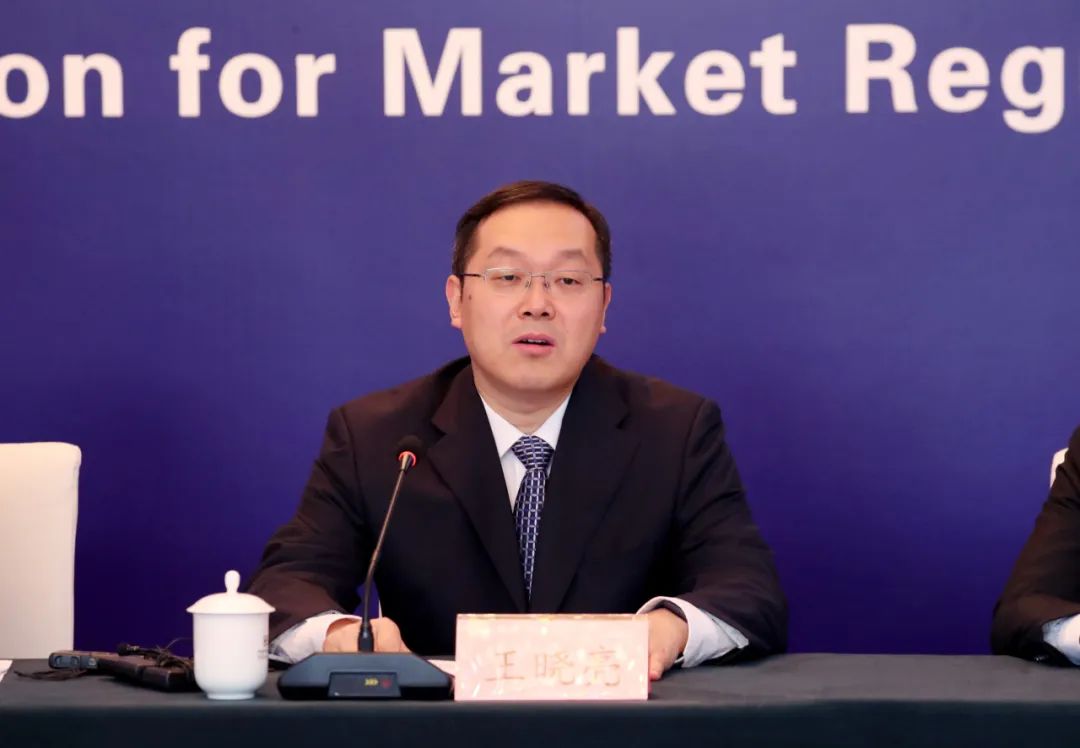
Wang Xiaoliang, deputy director of the Science and Technology Innovation Bureau of the State-owned Assets Supervision and Administration Commission of the State Council: The party and the state attach great importance to standardization. General Secretary Xi Jinping pointed out that high standards should be used to help high-tech innovation, promote high-level openness, and lead high-quality development. In recent years, the State-owned Assets Supervision and Administration Commission has conscientiously studied and implemented the spirit of General Secretary Xi Jinping's important instructions, implemented the "National Standardization Development Outline", and vigorously promoted the standardization of central enterprises to achieve positive results by improving top-level design, strengthening policy support, and enhancing business guidance.
One is to deeply participate in the construction of the national standard system. Central enterprises should fully leverage their own advantages, continuously strengthen their leadership and support capabilities, and play a national team role in the construction of China's standard system. Undertake the formulation and revision of national and industry standards. Accumulatively hosted and participated in the formulation of 35569 national standards, accounting for over 80% of the total number of national standards; Accumulatively hosted and participated in the formulation of 73170 industry standards, accounting for over 90% of the total industry standards. Develop technical standards for emerging fields. Adhere to the strategy of innovation driven development, focus on tackling key core technologies, carry out standard research and development in the fields of new generation information technology, new materials, etc., and promote high-level technological self-reliance and self-improvement. The 5G network architecture standard led by China Mobile has achieved the first time in history that a Chinese enterprise has taken the lead in designing the global new generation network architecture. China Steel Research Institute took the lead in establishing the Zhongguancun Materials Testing Technology Alliance, and jointly released 614 group standards in the upstream and downstream of the materials industry chain. Serve the construction of national standardization technical organizations. In the fields of strategic security, industrial leadership, national economy and people's livelihood, public services, etc., we have undertaken over 400 Secretariat units of the National Professional Standardization Technical Committee, accounting for more than 30%, which strongly supports the construction of China's standard organization system.
Secondly, we will deepen the promotion of international standardization work. Central enterprises aim at the international advanced level and enhance their ability to formulate and implement standards. Strengthen the formulation of international standards. Promoting the transformation of advanced technologies in enterprises into international standards, central enterprises have led the formulation of 2051 international standards and participated in the formulation of 2166 international standards. China Railway Rolling Stock Corporation (CRRC) actively develops international standards in areas such as rail transit network control and traction transmission systems, effectively enhancing the international influence of China's high-speed rail technology. Participate in the governance of the International Organization for Standardization. Jointly responsible for 30 chairpersons and vice chairpersons of ISO, IEC, ITU technical committees and sub committees, and 24 secretaries of technical bodies of the International Organization for Standardization. Zhang Xiaogang, Shu Yinbiao, Zhao Houlin and other central enterprise leaders and experts have successively served as the President of the International Organization for Standardization (ISO), the President of the International Electrotechnical Commission (IEC), and the Secretary General of the International Telecommunication Union (ITU), continuously enhancing China's international standard discourse power.
Thirdly, we will continue to promote the "going global" of Chinese standards. The central enterprises accelerate the global layout and international operation, vigorously carry out international cooperation on standards, rely on power, rail transit, ships and other machinery and equipment and the key projects of the "the Belt and Road" construction, gradually realize the Chinese standards going overseas, and promote the joint construction of the "the Belt and Road" standard connectivity to go deep and practical. State Grid has promoted the overseas application of 525 Chinese standards, achieving the full chain of Chinese technology, equipment, standards, construction, and services to go global. Southern Power Grid, in collaboration with national power companies such as Cambodia and Laos, has initiated the establishment of the Lancang Mekong Regional Electricity Technology Standards Promotion Association to promote regional electricity standardization cooperation.
Next, we will thoroughly implement the important instructions of General Secretary Xi Jinping, and under the overall guidance of the National Standards Commission, promote the high-quality development of standardization work for central enterprises, accelerate the enhancement of core competitiveness, strengthen core functions, and effectively play the role of central enterprises in scientific and technological innovation, industrial control, and safety support in building a modern industrial system and constructing a new development pattern. One is to accelerate the interactive development of standardization and technological innovation. Focusing on key areas such as strategic emerging industries and future industries, we will firmly grasp the strategic pivot of high-level technological self-reliance, actively create a source of original technology, accelerate key core technology research and development, and timely integrate advanced and applicable scientific and technological innovation achievements into standards. The second is to deepen international cooperation in standardization. Support central enterprises to collaborate with upstream, midstream, and downstream enterprises in the global industrial chain to jointly develop international standards, deeply participate in international professional standard organization activities, develop independent international group standard organizations, and further enhance the influence and discourse power of international standardization. The third is to solidify the foundation for standardized development. Support central enterprises to actively participate in the construction of standardization innovation platforms such as national technology standard innovation bases, and enhance the level of standardization technical support. Actively carry out the cultivation of standard innovative enterprises, and promote technological innovation in enterprises through the development and implementation of advanced standards.

As an important battlefield for standardization work, what efforts has the All China Federation of Industry and Commerce carried out to promote the standardization development of private enterprises, what achievements have been made, and what successful experiences have been accumulated?
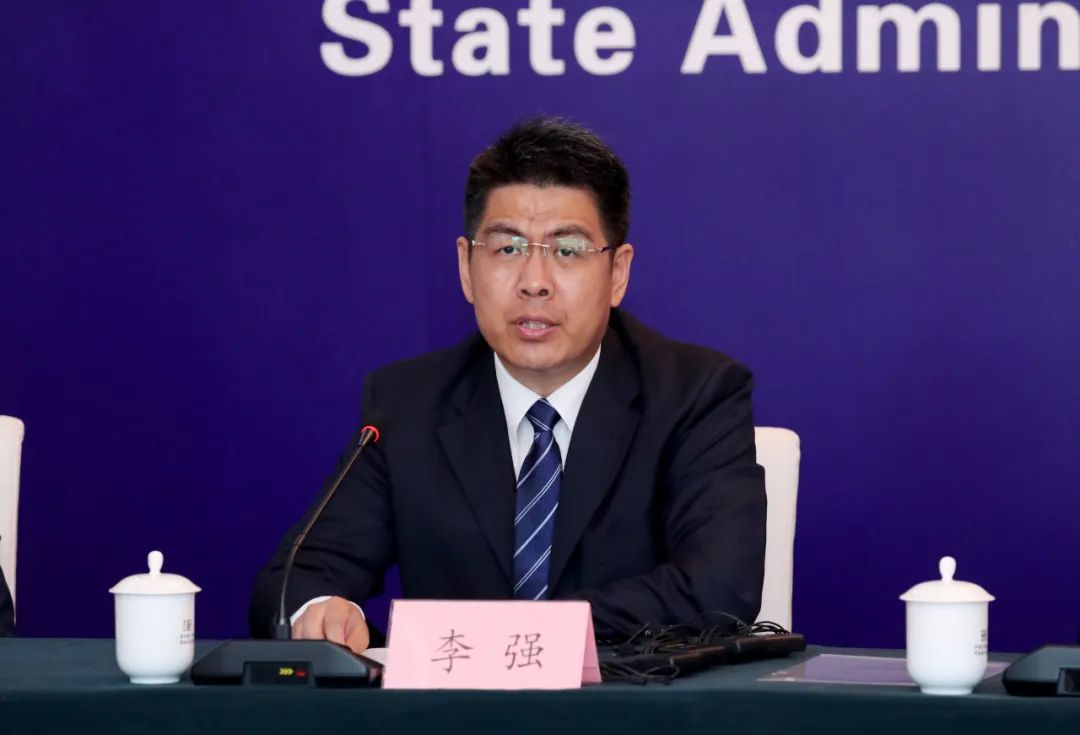
Li Qiang, Deputy Minister of the Legal Services Department of the All China Federation of Industry and Commerce: Private enterprises are an important force in China's economic and social development, and an important subject in promoting high-quality development and building a modern economic system. As of the end of March this year, the number of registered private enterprises in China exceeded 49 million, accounting for 92.3% of the total number of enterprises. Standard innovation is a key element for achieving high-quality development of private enterprises, and it is of great significance for improving the quality and efficiency of enterprises. The All China Federation of Industry and Commerce continues to make efforts in promoting the standardization capacity building of private enterprises, adhering to standard innovation as a guide and encouragement for enterprises to better achieve the integration of standardization and technological innovation, actively promoting the implementation of the national standardization strategy in the private economy, and continuously promoting the "two health". Mainly introduce three aspects of the situation.
First, private enterprises have become an important force involved in standardization work.
In recent years, the standardization awareness of the majority of chambers of commerce and private enterprises has been greatly enhanced, standardization activities have become more active, the level of standardization has been significantly improved, and the innovation of private economic standards has embarked on a fast track. Since June 2022, the All-China Federation of Industry and Commerce and the General Administration of Market Supervision (Standards Committee) have conducted special surveys nationwide, and conducted questionnaire surveys on 5479 large-scale private enterprises and 32591 small, medium and micro private enterprises. The results show that the majority of private enterprises stand at the forefront of standard practice and strive to be the stormtrooper of standard competition. Standardization is becoming a new guide and hard support for enterprise transformation and upgrading, which can be summarized by four characteristics:
One is conscious. Among the enterprises participating in the questionnaire survey, nearly half of the large-scale private enterprises are deeply involved in the development of standards through multiple paths. 65.80 percent of the small, medium and micro enterprises believe that standards can improve the quality of products and services and lead the innovation and transformation of enterprises. Second, there are talents. Among the private enterprises of the upper scale, 95 per cent have set up specialized standardization agencies, and 60.24 per cent of small, medium and micro private enterprises have set up standardization departments. All three have practice. 45.6 per cent of small, medium and micro enterprises have participated in government-organized benchmarking activities, 47.6 per cent have carried out good practices in standardization, and 386 of the top 500 private enterprises in 2022 have participated in the formulation of more than 10 standards. Four are powerful. The standard development ability of private enterprises has been significantly improved. In the National Professional Standardization Technical Committee, there are more than 15000 members from private enterprises; private enterprises have undertaken the secretariat work of 91 national professional standardization technical committees; in the International Organization for Standardization (ISO) and International In the Electrotechnical Commission (IEC), there are more than 1000 international standard registration experts from private enterprises, and more than 200 international standards have been proposed and approved, private enterprises have become an important force to participate in domestic and international standardization work.
Second, the standardization work of private enterprises has achieved positive results.
The standardization of private enterprises plays an important supporting role in standardizing internal governance, improving the quality of development, supporting scientific and technological innovation, expanding market scale, enhancing brand effect and expanding international trade. In recent years, through the joint efforts of all parties, the achievements of standardization work of private enterprises continue to emerge. Eight departments including the General Administration of Market Supervision have vigorously implemented the corporate standard "leader" system, and private enterprises have actively participated. As of the end of 2022, 1897 corporate standards of private enterprises have been rated as corporate standard "leader"; according to incomplete statistics, since 2021 More than 50000 new private enterprises have declared their public standards, and private enterprises account for 69% of the corporate standard "leaders. In the selection of China Standard Innovation Contribution Award, more than 200 private enterprises have won more than 100 standard project awards, accounting for about 38% of all standard project awards. In addition, the chambers of commerce affiliated to and contacted by the federations of industry and commerce at all levels are becoming a new front to promote the standardization of enterprises and a new force to explore the construction of group standards. From the above-mentioned enterprise standard "leader" and standard innovation contribution award activities, we can see that a number of standard innovative enterprises have emerged in the field of private economy, and a number of industry leading and even international leading high-level standards have been developed.
Third, guide and encourage private enterprises to better realize the integrated development of standardization and technological innovation
Standards are the technical support for economic activities and social development. The All-China Federation of Industry and Commerce has adopted a series of pragmatic measures to give full play to the special and important role of high standards in leading the healthy and high-quality development of the private economy. The first is to sign a strategic cooperation agreement with the National Standards Committee, establish a cooperation mechanism, and jointly issue the Opinions on Encouraging, Guiding and Regulating the Chamber of Commerce of the Federation of Industry and Commerce to Carry out Group Standardization Work (Trial) and the Action Plan for Standardization to Promote the High-quality Development of the Private Economy (2022-2023) ", launched five key tasks and a number of measures to implement the" National Standardization Development Program "to promote private enterprises to achieve standards. The second is to jointly issue the "Action Plan for the Implementation of the National Standardization Development Program" with the General Administration of Market Supervision and other units, and the policy framework for guiding the innovation of private economic standards has basically taken shape. Third, the establishment of the National Federation of Industry and Commerce Standardization Working Committee to study major issues of innovation in private economic standards. The fourth is to extensively carry out standardization publicity and training. Relying on platforms such as "Desheng Gate Lecture Hall" and "Federation of Industry and Commerce Lecture Hall", multiple private enterprise standardization public welfare lectures have been held, with a total of more than 150 million people trained, and continue to improve the standardization work of chambers of commerce and private enterprises Awareness and ability. The fifth is to create work brands such as standardization work promotion meeting, standard innovation conference and standard innovation week in the field of private economy, so as to lead and promote the standardization work of private economy to go deeper and deeper. Sixth, in accordance with the "Administrative Measures for the Gradient Cultivation of Standard Innovative Enterprises (Trial)" issued by the General Administration of Market Supervision (National Standards Committee), the "Work Plan for the Gradient Cultivation of Standard Innovative Private Enterprises" was issued to local federations of industry and commerce and chambers of commerce directly under the All-China Federation. Make arrangements for strengthening the cultivation of innovative enterprises in the field of private economy.
In the next step, we will fully implement the spirit of the 20th National Congress of the Communist Party of China and the Central Economic Work Conference, further implement the relevant deployment requirements of the "National Standardization Development Outline" and "Quality Power Construction Outline", and focus on promoting the gradient cultivation of standard innovative private enterprises. The first is to carry out publicity activities on the rule of law to strengthen the creation of private enterprises under the rule of law, especially the construction of an enterprise compliance management system. The second is to enhance the basic capacity of standardization and promote private enterprises to consolidate the foundation of standardization management and work. The third is to promote private enterprises to establish and implement a quality management system, use standardized methods for production and operation, and establish an enterprise standard system. Four is to guide private enterprises to increase investment in research and development, and promote the integration of standards and technology development. The fifth is to guide private enterprises to participate in various standardization activities such as international standards or national standards, industry standards, and local standard formulation and revision projects. Six is to guide private enterprises to focus on the implementation of standards, enhance the application of standards.

As far as I know, the General Administration of Market Supervision has many innovative measures in enterprise standardization, such as the "leader" system of enterprise standards that everyone is familiar. I would like to take this opportunity to ask the General Administration to introduce the effectiveness of the enterprise standard "leader" system in promoting high-quality development and how to achieve linkage with standard innovative enterprises and other systems?
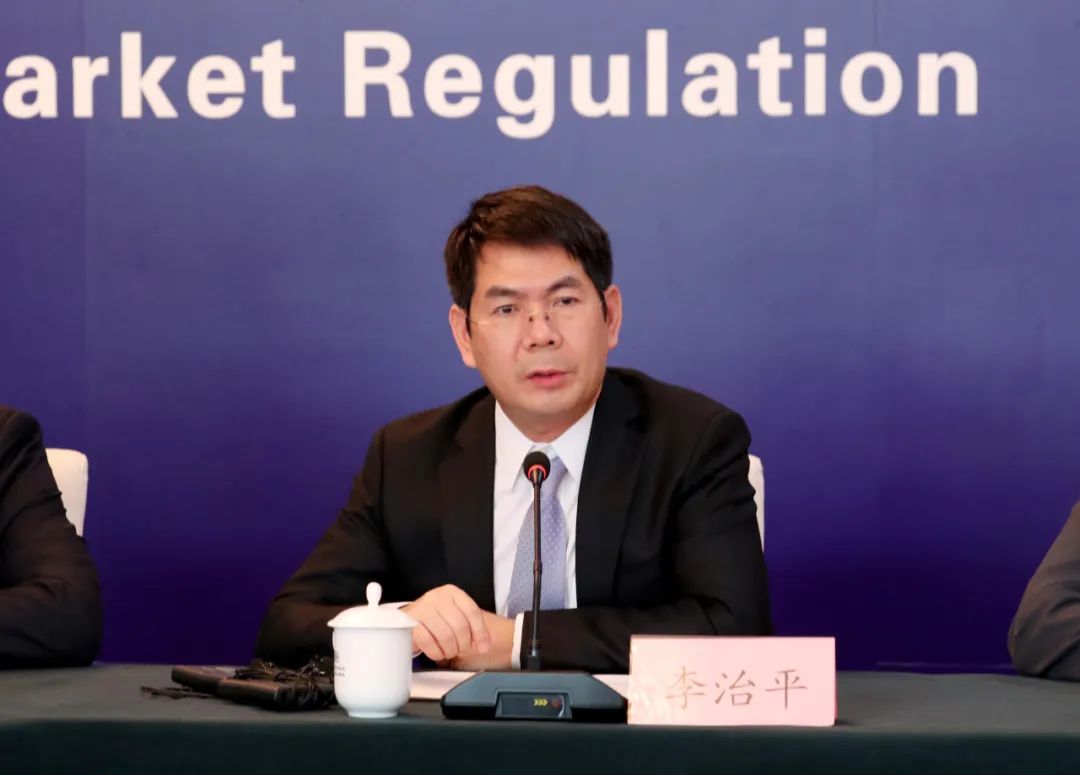
Li Zhiping, vice president of China Institute of standardization: the "leader" system of enterprise standards refers to the products and service standards that are self declared and disclosed by enterprises within the comparable range of the same industry, the standards evaluated by third-party evaluation institutions and the products or services that meet these standards play an important role in leading the effective supply of medium and high-end products and services with high-level standards, Support high-quality development.
Since the orderly promotion of the "leader" system of enterprise standards, it has played an increasingly prominent role in guiding the formulation of enterprise standards, leading consumption upgrading and triggering technological innovation.
First, continue to expand the enterprise standard "leader" focus areas. In 2022, the number of key areas has reached 240, covering thousands of products or services, and has played a positive role in promoting the high-quality development and transformation and upgrading of related industries.
The second is to carry out the development of the standard of "quality classification and 'leader" evaluation requirements, and promote the implementation of the "leader" system. Up to now, the working organization has jointly issued more than 500 "leader" evaluation group standards with nearly 100 industry associations and authoritative organizations, promoting enterprises to run from following to running and then to leading, promoting the overall improvement of the quality of industry development, expanding the supply of high-quality products and services, and effectively enhancing the competitiveness of market entities.
The third is to integrate the "double carbon" goal into the enterprise standard "leader" system. Guided by the goal of "carbon peak and carbon neutrality" and in combination with the requirements of important documents such as the "Outline for Building a Strong Quality Country" and "Implementation Plan for Establishing and Improving Carbon Peak and Carbon Neutrality Standard Measurement System", green and low-carbon ecological health and other indicators are integrated into the "Leader" standard, green and low-carbon attributes of products and services are required to be improved, new demand for green consumption is driven by green and low-carbon-led supply, and new momentum is injected into economic development.
The standard innovative enterprise system mentions that standard innovative enterprises (including primary, intermediate and senior) can be given priority to participate in the evaluation of enterprise standard "leaders" under the same conditions ".
For the enterprise that has been rated as the "leader" of the enterprise standard, the corresponding scores can be obtained in the dimensions of the "leader" of the enterprise standard, the transformation of the enterprise innovation technology standard and the number of enterprise standards that have entered the list of "leader" of the enterprise standard, so as to reflect the leading technology of the enterprise and the advanced application of the standard.
In the high-quality development pattern of "standard leader, product leader, enterprise leader, brand leader", the standard innovative enterprise system is an important part of it, which considers the comprehensive strength of an enterprise more comprehensively. Through the enterprise standard "leader" system, enterprises are encouraged to actively transform scientific and technological innovation achievements into advanced standards, from technology "leader" to standard "leader". While enterprises support their own high-quality development, they participate in the evaluation of "standard innovative enterprises" to create new innovative vitality from the aspects of interactive development of standards, technology, services and management, and become a group of leading and innovative industry benchmarking enterprises with standards leading high-quality development, providing effective support for high-quality economic development.

The enterprise standard self-declaration disclosure system is a basic system established by the "the People's Republic of China Standardization Law" and a "hard commitment" to the quality of enterprise products. Please introduce the implementation and main results of the enterprise standard self-declaration disclosure system.
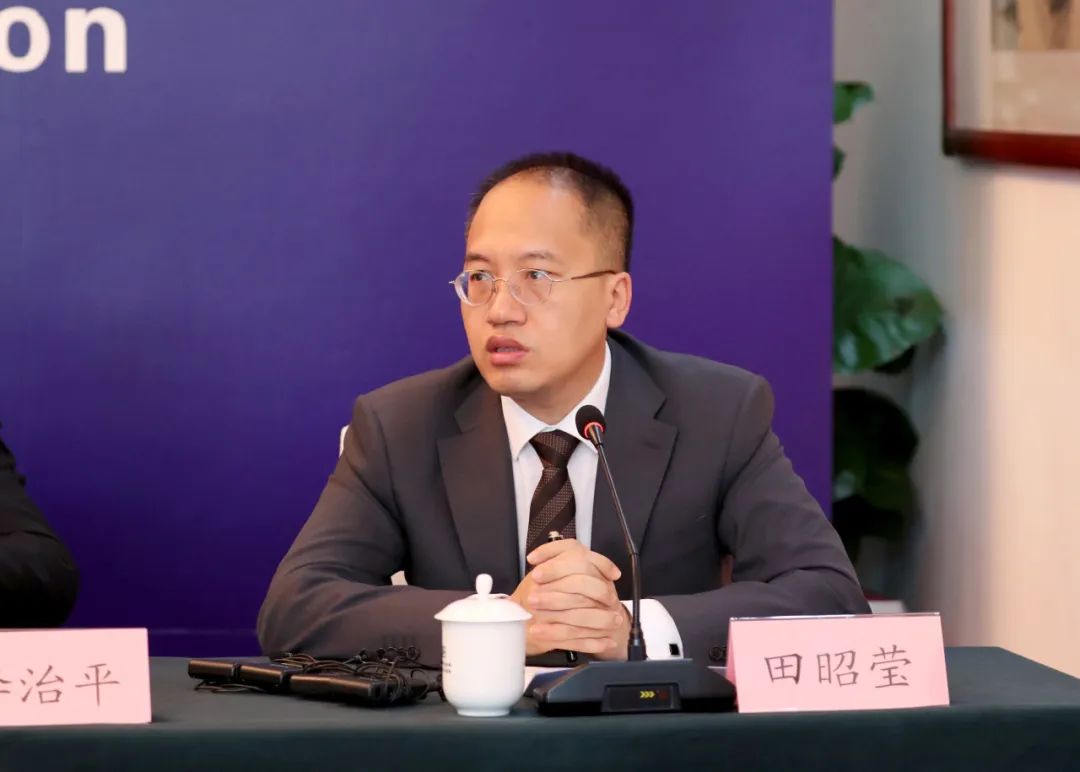
Tian Zhaoying, deputy director of the unified social credit code data service center of the national organization: thank you for your question. Let me answer this question. The self-declaration disclosure and supervision system of corporate standards is a system model in which enterprises move to the society to disclose the standards implemented by their products and services, and consciously accept the supervision of consumers and relevant government departments. The "Several Opinions of the State Council on Promoting Fair Market Competition and Maintaining Normal Market Order" issued by the State Council in 2014 proposed to "strengthen the main responsibility of producers and operators, and establish a self-declaration, disclosure and supervision system for enterprise product and service standards". The "the People's Republic of China Standardization Law" implemented in 2018 further established the corporate standard self-declaration disclosure and supervision system from the legal level, and encouraged companies to disclose to the public through the standard information public service platform. In order to cooperate with the establishment and implementation of the system, the code center has built a public service platform for enterprise standard information in accordance with the requirements of the National Standards Committee to provide enterprises with public services for self-declaration of implementation standards. As of June 30, 2023, 430000 companies have disclosed 2.86 million implementation standards on the public service platform, covering 4.77 million products, and the open standards cover various fields such as industry, agriculture, scientific research, and technical services. From the system implementation effect:
The self-declaration of enterprise standards publicly demonstrates the responsibility of enterprises to consumers. "Standards determine quality, what kind of standards have what kind of quality, only high standards have high quality". By publicizing the implementation standards of enterprise products and services to consumers, it is helpful for consumers to objectively judge the advantages and disadvantages of products and services, and help consumers protect their legitimate rights and interests, thus forcing enterprises to strengthen their responsibility to consumers. At the same time, the disclosure of corporate standard self-declaration is also a demonstration of corporate social responsibility. For example, after the release of the national standard ''Restricting Excessive Packaging Requirements for Food and Cosmetics of Commodities'' last year, food production companies explicitly implemented this standard through public service platforms for more than 850 times. It shows the responsibility of enterprises to practice green consumption.
The enterprise standard self-declaration publicly demonstrates the social credit of the enterprise. "The market economy is a credit economy, and the credit system is the cornerstone of the market economy". The self-declaration disclosure and supervision system of enterprise standards is an important part of my country's credit publicity system. At present, the public standards of enterprises on the public service platform can be queried through the national enterprise credit information publicity system. Enterprises publicize the standards of their products and services and accept social supervision, which is to fulfill the enterprise's hard commitment to quality, fully demonstrate the enterprise's credit awareness of honoring promises, and help to improve the credibility of enterprises.
The self-declaration of enterprise standards has publicly promoted the optimization and improvement of enterprise competitiveness. "High standards determine high quality, and high quality boosts high efficiency". Through the analysis of the implementation standards, enterprises can effectively understand the gap between themselves and the advanced standards. Through continuous technological innovation, standard optimization and quality improvement, enterprises can achieve "high standard, high quality and high price", improve their competitiveness, and win the market and competition with high standard and high quality products and services. In this regard, the code center can assist enterprises to carry out the implementation of standards in the same industry and industry chain upstream and downstream standard analysis and research, promote the optimization of enterprise standards, enhance the competitiveness of enterprises.
At the same time, the implementation of the enterprise standard self-declaration system has greatly reduced the government's direct intervention in market activities, saving a lot of economic costs and time costs for enterprises. At present, it only takes about 10 minutes for enterprises to disclose a standard on the public service platform, and there is no cost. It is hoped that the majority of enterprises can actively log on to the public service platform of enterprise standard information, actively disclose the standards implemented by their products and services, consciously accept the supervision of the whole society, and jointly promote the improvement of the quality of China's products and services, and enable high-quality development.

Just now we heard the introduction of standardization work carried out by relevant departments at the government and enterprise levels, which can be said to have achieved fruitful results. I would like to ask the General Administration of Market Supervision, what is the next step in the work layout of enterprise standardization and measures to further promote it.
Xiao Han, Director of the Standards and Innovation Management Department of the General Administration of Market Supervision: In the next step, the General Administration of Market Supervision will continue to thoroughly implement the National Standardization Development Outline, adhere to the principle of giving priority to enterprises, fully release the standardization vitality of business entities, give full play to the role of the market in allocating resources, and further stimulate enterprises Innovative vitality in terms of interactive support for standards, technology, services and management innovation.
The first is to speed up the revision of the Measures for the Promotion of Enterprise Standardization. Incorporate the enterprise standard "leader" system, "double random, one open" supervision and random inspection, benchmarking, and good standardization behavior into the management measures to better support and guarantee the development of enterprise standardization work. The revision of the measures will adhere to the main body of enterprises and market-driven, protect and stimulate the vitality of business entities, enhance the endogenous driving force of enterprise standardization work, give full play to the basic and leading role of standardization in promoting scientific and technological innovation and competitiveness of enterprises, clarify the basic tasks of enterprise standardization work, put forward the basic requirements for enterprises to carry out standardization work, guide enterprises to strengthen standardization work, improve the level of enterprise standardization, and improve the quality of products and services, promote the high-quality development of market micro-entities and create a good market-oriented, rule-of-law and international business environment for enterprises.
The second is to strengthen the implementation of the management measures for the gradient cultivation of standard innovative enterprises (for Trial Implementation). Build a unified standard innovative enterprise information platform, and effectively guarantee the identification, storage and dynamic management of standard innovative enterprises. Carry out training for local market supervision departments at all levels, guide relevant departments to formulate local implementation rules, and promote the gradient cultivation of standard innovative enterprises at all levels. In conjunction with relevant departments, the incentive mechanism for standard innovative enterprises will be introduced as soon as possible to form an operating environment for the gradient cultivation system of standard innovative enterprises based on the combination of government guidance and market guidance. Intensify the publicity of the standard innovative enterprise system, incorporate the system promotion into the theme activities such as Quality Month and World Standards Day, and vigorously promote the mature experience of standard innovative enterprises.
Geng Xin, Deputy Director of the Press and Publicity Department of the General Administration of Market Supervision: That's all for today's question session. If you want to know more about other issues, please contact our Information and Publicity Department after the meeting. This concludes today's press conference, thank you!




